
Buying vacant land with a small shed or structure on the property
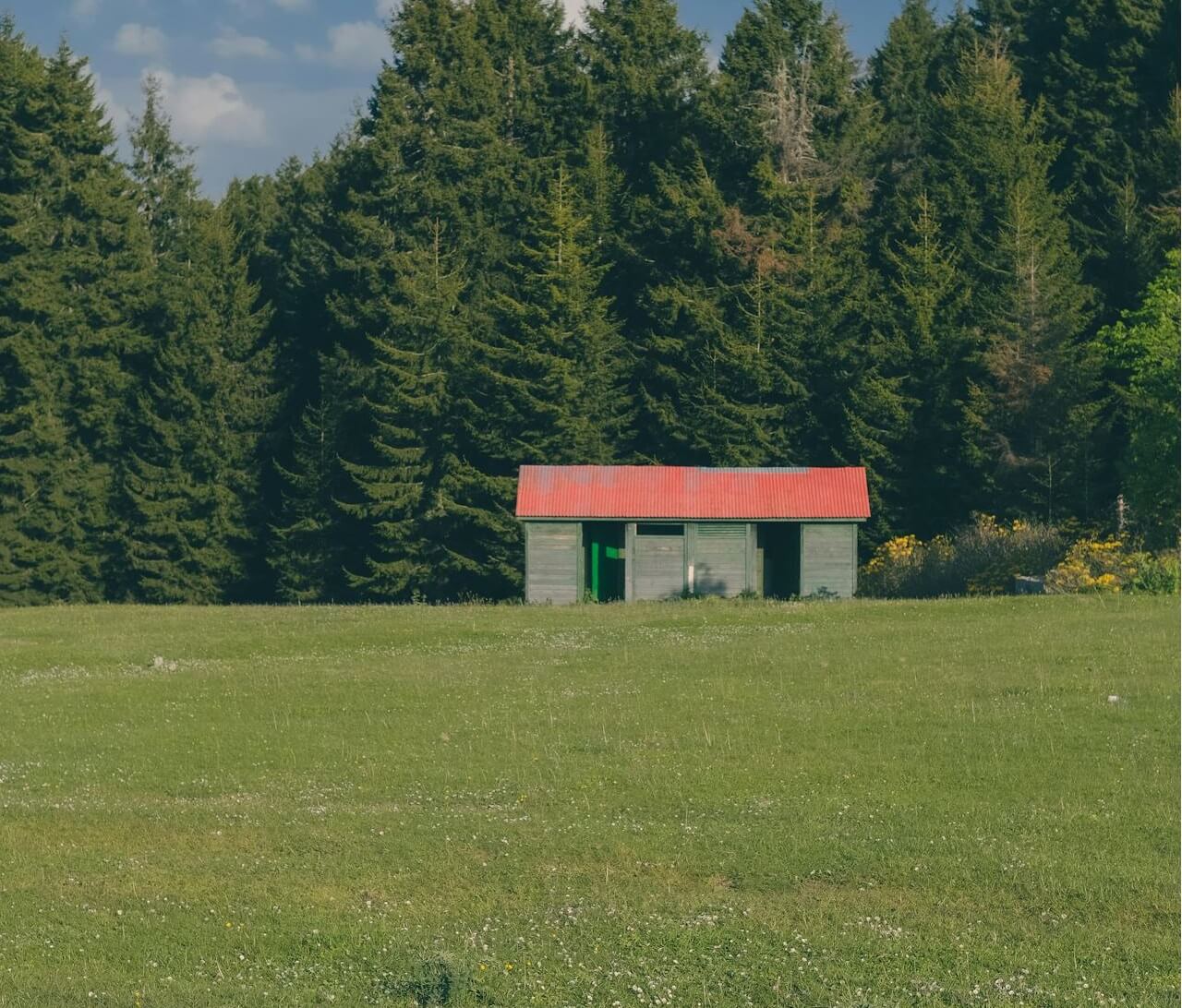
Some people might think that vacant land is considered a property where there is no obvious dwelling, however sometimes, even a small structure can make the land not be considered ‘vacant’ land anymore.
It is important that you do your due diligence and make sure the land is actually vacant land and if not, be prepared to pay stamp duty and not claim any vacant land concession, even if you are entitled to it.
Unapproved Structures
What is an unapproved structure?
An unapproved structure is any building, shed, or construction that has been built without the necessary permits, inspections, or approvals. These are generally required by law and are enforced by the local council.
Examples of unapproved structures on vacant land include but are not limited to:
- garden sheds;
- woodsheds; or
- shipping containers.
They may be so small and look the complete opposite to a dwelling which can be resided in, that you would not think it can impact your stamp duty concession ability, but, they can!
How can an unapproved structure affect you?
Unapproved structures have numerous issues which could impact you, some of them being:
Council action: fines, demolition, or rectification:
If your local council discovers an unapproved structure on the land, they can issue enforcements notices, including but not limited to:
- Fines for non-compliance;
- Demolition orders requiring the structure to be removed at your cost; or
- Rectification notices, which often mean engaging builders, certifiers, or engineers to bring the structure up to code.
You may think these are small fixes, but the costs can be substantial. Once you become the new owner after settlement, the responsibility falls on you, even though you didn’t build the structure.
Insurance risks:
Most insurers require all buildings and structures on a property to be council approved. It may not seem important to check whether approvals were obtained when the structure was built but failing to do so can cause problems when you lodge an insurance claim.
For example, you lodge a claim that involves an unapproved structure because of cyclone or flood damage to your home, the insurer may:
- Refuse to pay out the claim entirely, or
- Reduce the payout due to undeclared risks.
This leaves you exposed to thousands of dollars in rectification costs and may even affect the resale value of your property. These risks can be avoided by doing your due diligence before you buy.
Resale problems:
When you go to sell the land, buyers (or their Solicitors) will usually conduct a council building records search. If they discover unapproved structures on your property, they may:
- Walk away during the contract negotiations, the cooling-off period or under a due diligence clause;
- Request that settlement be conditional on you fixing or demolishing the structure prior to settlement; or
- Negotiate a lower balance of the purchase price to cover the cost of legalising the structure.
Even something as simple as a small shed can become a deal-breaker for a future buyer.
Stamp duty implications:
For buyers hoping to claim the First Home Vacant Land Concession, even a small structure can disqualify you. The Queensland Revenue Office takes a strict view: if any building exists, the land is not vacant.
Follow this blog further down for more details on the First Home Vacant Land Concession.
How to check if a structure is approved?
The best way to check if a structure is approved is by:
- Obtaining council building records search, which your lawyer can order for you from the relevant council; or
- Asking the vendor for copies of the approval plans, permits and certificates.
First Home Vacant Land Concession
What is the First Home Vacant Land Concession?
The First Home Vacant Land Concession is a stamp duty concession available from the Queensland Revenue Office for buyers purchasing vacant land to build their first home.
Historically, land had to be valued under $500,000 to claim this concession, however, since 1 May 2025, you may pay no duty at all on eligible residential vacant land transactions.
This concession applies to individuals over 18 years of age who:
- Have never claimed the First Home Vacant Land Concession before; and
- Have never owned residential property or had an interest in one in Australia or overseas.
To be eligible, you must:
- Pay market value for the land;
- Build your first home on the land, move in, and live in the home within 2 years of settlement;
- Only build one home on the land; and
- Ensure there is no building, or part of a building, on the land at the time of purchase.
If you are a foreign buyer, and not an Australian Citizen or Permanent Resident, then you will most likely have to pay additional foreigner duty.
What if there’s a small shed or structure on the land?
You will not be eligible for the First Home Vacant Land concession on stamp duty if there is any building such as a shed, woodshed, outhouse, or even a small broken or old structure on the property.
Some of these structures may be easily removed and we can assist you in tailoring your contract to ensure that all structures are removed prior to settlement, which may allow you to claim the concession.
How can we help you claim the first home vacant land concession?
We can assist you:
- Claim the First Home Vacant Land Concession and other available concessions;
- Provide tailored legal advice; and
- Lodge transfer duty in-house.
We have handled thousands of duty assessments over the years and can let you know where you stand.
If you have any questions regarding your vacant land purchase or your eligibility requirements for a stamp duty concession, please contact our team today.
See also

Selling a business – Business or share sale?