
Can I terminate my off the plan contract in Queensland?
What is an off the plan contract?
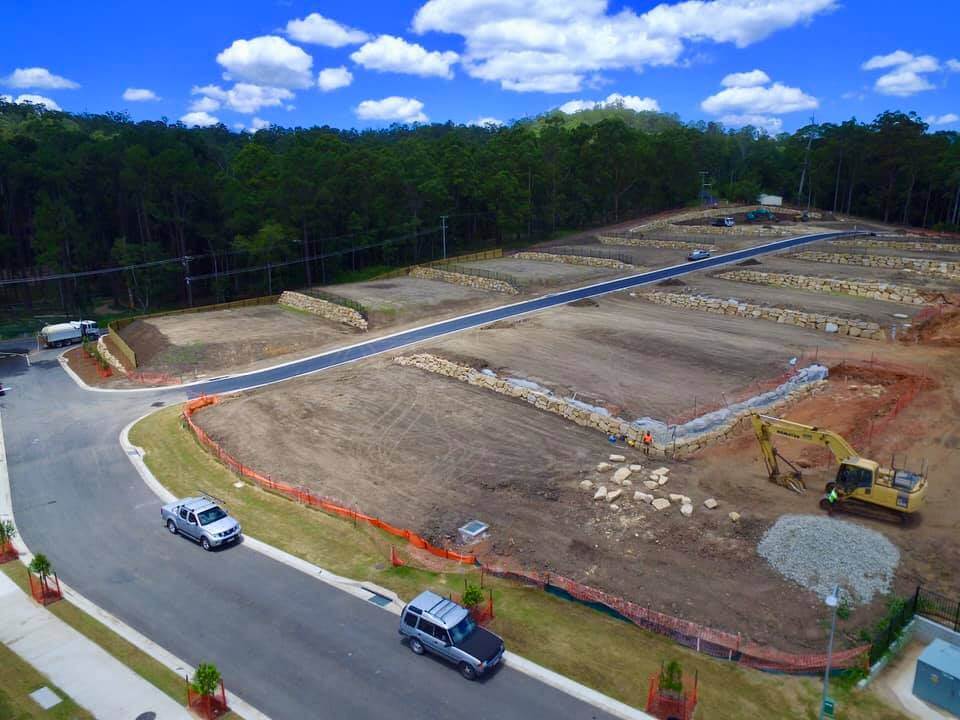
In simple terms an off the plan contract relates to the purchase of a property before the construction has been completed and the title to your lot has been created.
With the current property boom we are experiencing in Queensland this is a very popular way of securing your property and locking in a price.
It also gives you the opportunity to have input as to the design of the property.
There are also risks in that it could be delayed and what you think you are buying may not actually be what you are left with in the end.
There is not a standard contract for off the plan sales, so it is important that the fine print is expertly checked before the contract is signed.
You must be given a disclosure statement
It is a requirement that when you enter an off the plan contract you receive a disclosure statement from the seller or developer which must:
- give their name and address
- identify the buyer including name and address
- identify the land or unit you are purchasing including the proposed number of the lot, the total area of the lot and the proposed orientation of the lot by referring to north
- details of the issue of the certificate of title.
The disclosure statement will have to include a section that:
- is completed by a cadastral surveyor
- explains the proposed state of the lot at the time you will take ownership
- give details of earthmoving or other work that the developer intends to do to the land.
It is a requirement that you must sign the disclosure statement to confirm that you understand it.
It is important to get proper expert advice if you have any doubts before signing it.
When can I terminate my off the plan contract?
Generally, once you have signed the off the plan contract it is binding on a buyer but there are some limited situations where you can get out of it.
They are:
- Where there is material prejudice; or
- Pursuant to the sunset clause
Material Prejudice
A purchaser who enters an off the plan contract can get out of that contract if they suffer a material prejudice.
So, what constitutes material prejudice?
You will suffer a material prejudice if:
- you become aware there is a change in the disclosure statement regarding the sate of the property; and
- that change will cause a significant disadvantage to you, that is material prejudice
Once you become aware of the material prejudice you have 30 days from receiving the notification or before the title transfers to you, whichever is sooner, to terminate the contract.
The developer has a positive obligation to alert you to any change in the disclosure statement and the buyer must prove that the disadvantage is a material prejudice.
In the matter of Mirvac Queensland Pty Ltd v Wilson [2010] QCA 322 material prejudice was defined as:
“disadvantage in a way which is substantial or much consequence – it is an objective test applied subjectively i.e., what is reasonable or unreasonable having regard to the Buyer’s personal circumstances”
It is not a simple as claiming there has been material prejudice, and it is important you obtain expert legal advice before terminating a contract for it.
Sunset Clause
A sunset clause is the date by which the build must be completed, the plan registered, and the title created. If this does not happen by the sunset date, the buyer can terminate the contract and the deposit will be refunded.
Generally, sunset dates range from one to three years, but it depends on the particular contract and development. The law sets maximum sunset periods.
In Queensland there are two legislative requirements relating to sunset clauses.
They are:
- For land: Section 14(1) of the Land Sales Act 1984
- For units: Section 217B of the Body Corporate and Community Management Act 1997 (Qld)
Section 14(1) of the Land Sales Act 1984
This relates to non-strata greenfield land.
Settlement of the contract must occur not later than 18 months after the contract date.
Section 14(1) does not apply to:
- a large transaction (the sale of 6 or more lots to the same parties entered at the same time)
- land formed from the reconfiguration of land into less than 5 lots; or
- land that will be subject to body corporate legislation (e.g., strata).
Section 217B of the Body Corporate and Community Management Act 1997 (Qld)
Under this section the buyer has a right to terminate an off the plan contract if the Seller does not settle the contract by the statutory sunset date.
The seller may at the time of entering the contract elect a sunset date of up to five and a half years (5.5) after the date the contract is entered into by the buyer.
If the contract does not specify a sunset date, the seller must settle the contract within three and a half (3.5) years after the day the contract was entered into by the buyer, unless otherwise agreed by the parties.
How can FC Lawyers help?
FC Lawyers’ experienced property and conveyancing team can assist you with all your requirements when you are buying a property off the plan or have questions regarding terminating your contract.
Contact our team today for an obligation free chat to discuss your off the plan contract or legal needs.
See also

Selling a business – Business or share sale?