
Your RIGHT to disconnect outside work hours
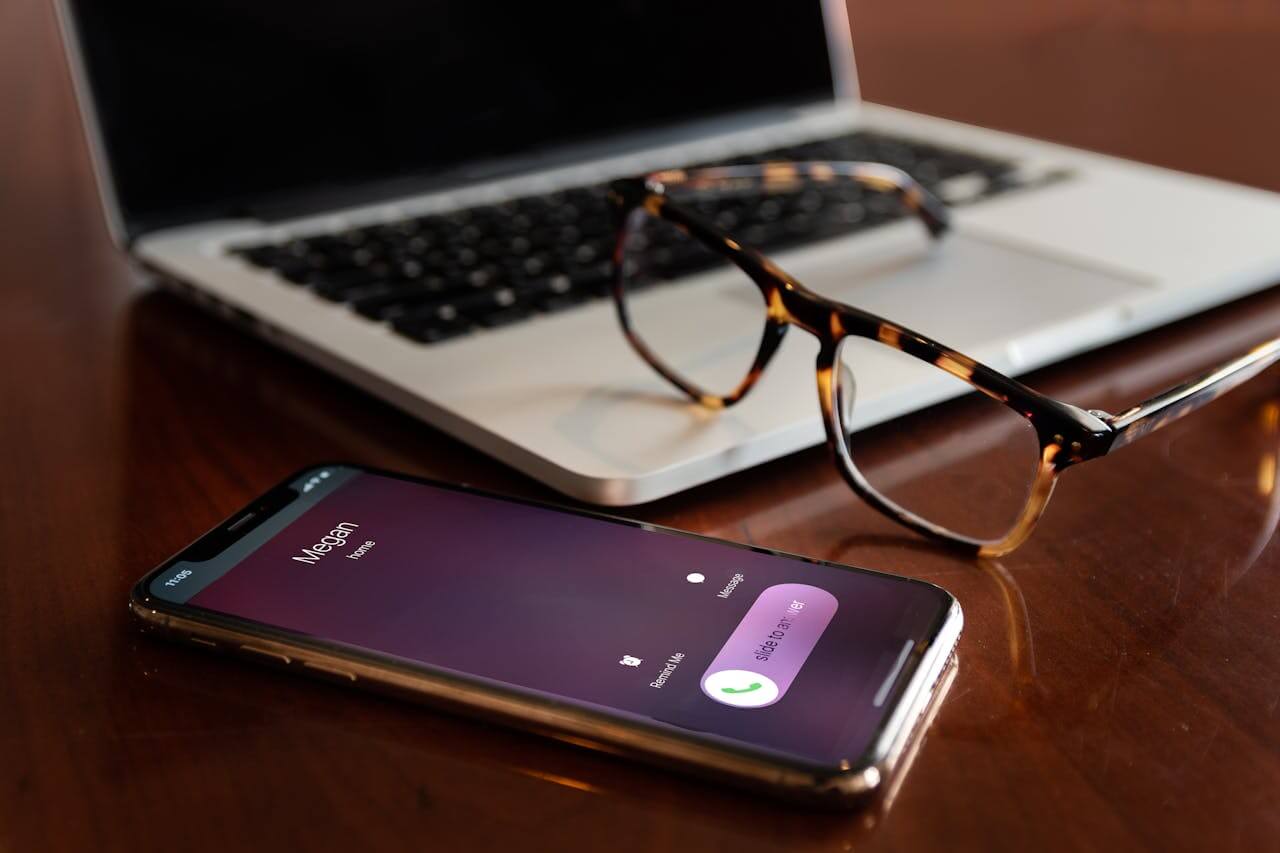
Australia’s introduction of new “right to disconnect” laws marks a significant step forward in the ongoing global conversation about work-life balance. These laws, which have already been adopted by various countries, seek to protect employees from the encroachment of work into their personal lives, particularly in the digital age where the lines between work and home life can easily blur.
Understanding the Right to Disconnect
The “right to disconnect” refers to an employee’s ability to disengage from work-related communications and tasks outside of their official working hours. This means that employers cannot expect or require employees to answer emails, phone calls, or complete work tasks once their workday has ended. The intention behind these laws is to ensure that workers have the opportunity to fully relax, recharge, and spend time with their families without the pressure of work infringing on their personal time.
As a workplace right, employees who are subjected to adverse action as a result of exercising the right, or proposing to exercise the right, will be able to apply for general protections.
The Context in Australia
In Australia, the adoption of these laws comes as part of a broader effort to address the mental health and well-being of employees. Over the past decade, there has been a growing recognition of the impact that constant connectivity and the expectation to be “always on” can have on workers. Burnout, stress, and anxiety are increasingly prevalent, with many employees struggling to find a balance between their professional responsibilities and their personal lives.
The COVID-19 pandemic has only heightened these challenges. With remote work becoming the norm for many, the boundaries between work and home have become even more difficult to maintain. This has led to increased pressure on workers, as the absence of a physical separation between work and home life makes it harder to switch off at the end of the day.
Fair Work Act and Modern Awards
The new rights are anticipated to be inserted into a new section under the Fair Work Act (Cth), namely section 64A, in accordance with the Fair Work Amendment (Right to Disconnect) Bill 2023.
All modern awards will be required to include a ‘right to disconnect’ provision by 26 August 2024. The Fair Work Commission will add these rules to awards in order to explain how the new rights will apply to different industries.
Key Features of the Legislation
Australia’s right to disconnect laws aim to address these issues by introducing several key measures:
- Clear Boundaries on Working Hours: Employers are required to respect the designated working hours of their employees. Outside these hours, workers have the legal right to disconnect from work-related communications without fear of repercussions.
- Protected Personal Time: Employees are protected from any form of retaliation if they choose not to engage in work-related activities outside of their contracted hours. This ensures that workers can fully enjoy their personal time without the stress of being penalised for not being constantly available.
- Flexibility for Urgent Situations: The laws do provide some flexibility for situations that require urgent attention. However, these situations must be clearly defined and should not become a regular expectation.
- Support for Mental Health: The legislation emphasises the importance of mental health and well-being, acknowledging that the ability to disconnect from work is essential for preventing burnout and promoting a healthy work-life balance.
Implications for Employers and Employees
For employers, these new laws require a cultural shift. Organisations will need to reassess their expectations around employee availability and communication. This might involve changes to company policies, rethinking how teams collaborate, and ensuring that management respects the boundaries of their staff.
On the flip side, employees stand to benefit significantly. The right to disconnect empowers workers to take control of their personal time and reduces the pressure to be constantly available. This can lead to improved mental health, greater job satisfaction, and overall better quality of life.
A Step Toward a Healthier Work Culture
Australia’s right to disconnect laws represent a proactive approach to fostering a healthier work culture. They recognise that the well-being of employees is crucial not only for individual health but also for the overall productivity and sustainability of businesses. By setting clear boundaries and respecting the personal time of workers, these laws are a step toward ensuring that work-life balance is more than just a buzzword—it’s a reality for all.
As other countries watch Australia’s implementation of these laws, it may pave the way for similar legislation globally, reflecting a growing understanding that in the digital age, the right to disconnect is essential for a balanced, healthy life.
If you have any questions regarding the above information, please don’t hesitate to contact our team.
See also

Selling a business – Business or share sale?